
"10-15 cups"
500 article(s) found

Introduction to the Blood Manor of the Coffee producing country of Bolivia
In boutique coffee, this is the description of Bolivian coffee; Bolivia, located on the southeast side of Peru, is an alpine country. La Paz (capital) is 3660 meters above sea level. Coffee cannot be grown in such a cold place. But YUNGAS, northeast of La Paz, borders the Amazon basin. The altitude is a little lower. About 1500-2500 meters. The average annual temperature is about 10-15 degrees without frost damage in winter. The fertile soil is Bolivia.

How to soak coffee beans without tools and how to drink coffee powder after grinding it?
Professional coffee knowledge exchange more coffee bean information please follow the coffee workshop (Wechat official account cafe_style) coffee beans are ground but not brewed coffee tools one day my friend gave me coffee beans, I asked the store to grind them for me, but the problem came that I didn't have the tools to make coffee, and it would be a waste to brew coffee powder like instant coffee in 3-in-1.

The species form, producing area quality and unique flavor of Colombian coffee
For the exchange of professional baristas, please follow the coffee workshop (Wechat official account cafe_style) Columbia Coffee introduction Open Classification: product Coffee National Cultural Beverage Colombian Coffee (Cafe de Colombia) is produced in Colombia and is one of the few individual coffees sold in the world under the name of the country. In terms of quality, it has won praise unmatched by other coffee.

Coffee Beauty Coffee Why can Coffee Beauty?
More and more people like to drink coffee, the charm of coffee in addition to its bitter taste and fascinating aroma and refreshing effect, coffee can also beauty! For example: massage with boiled coffee grounds can not only make the skin smooth, but also have the effect of skin tightening and beauty. Let's taste a cup of coffee with endless aftertaste. In this romantic moment, it is not only full of food, but also beautiful.

Planting Environment and quality of Columbia Cafe de Colombia Coffee Bean
Colombian coffee (Cafe de Colombia), which originated in Colombia, is one of the few individual coffees sold in the world under the name of the country. In terms of quality, it has won praise unmatched by other coffee. Compared with other producing countries, Colombia is more concerned with developing products and promoting production. It is this, coupled with its superior geographical and climatic conditions, that makes Columbus

Treatment of coffee beans in manors in Bolivian coffee bean producing areas
This is the description of Bolivian coffee; Bolivia, located on the southeast side of Peru, is an alpine country. La Paz (capital) is 3660 meters above sea level. Coffee cannot be grown in such a cold place. But YUNGAS, northeast of La Paz, borders the Amazon basin. The altitude is a little lower. About 1500-2500 meters. The average annual temperature is about 10-15 degrees without frost damage in winter. Fertile soil is a special feature of the main coffee producing areas in Bolivia.

What kind of tea does Tieguanyin belong to? where is the most authentic tea? how to make a good drink? the correct brewing method.
1. According to the historical story of Tieguanyin, around 1720, there was an old tea farmer in Anxi County who was diligent in planting tea trees and believed in Buddhism. Every morning and evening, he must offer a cup of tea in front of the Guanyin Bodhisattva (Guanyin), which has been going on for decades. One night, when he was asleep, he dreamt that he had walked out of the house with a hoe on his shoulder. He came to a stream

Taste of Bolivian Coffee Manor Yongas, northeast of La Paz, snow vein manor
This is the description of Bolivian coffee; Bolivia, located on the southeast side of Peru, is an alpine country. La Paz (capital) is 3660 meters above sea level. Coffee cannot be grown in such a cold place. But YUNGAS, northeast of La Paz, borders the Amazon basin. The altitude is a little lower. About 1500-2500 meters. The average annual temperature is about 10-15 degrees without frost damage in winter. Fertile soil is a special feature of the main coffee producing areas in Bolivia.

Skillfully use coffee to beautify (group of pictures)
More and more people like to drink coffee, the charm of coffee in addition to its bitter taste and fascinating aroma and refreshing effect, coffee can also beauty! For example: massage with boiled coffee grounds can not only make the skin smooth, but also have the effect of skin tightening and beauty. Let's taste a cup of coffee with endless aftertaste. In this romantic moment, it is not only full of food, but also beautiful.

Bolivian coffee flavor what coffee beans are used for hand-brewed coffee
In boutique coffee, this is the description of Bolivian coffee; Bolivia, located on the southeast side of Peru, is an alpine country. La Paz (capital) is 3660 meters above sea level. Coffee cannot be grown in such a cold place. But YUNGAS, northeast of La Paz, borders the Amazon basin. The altitude is a little lower. About 1500-2500 meters. The average annual temperature is about 10-15 degrees without frost damage in winter. The fertile soil is Bolivia.
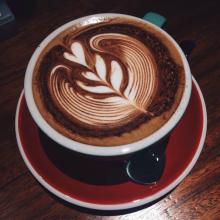
There are bright sour berries. Introduction to Bolivian coffee with almond flavor and hazelnut sweetness
In boutique coffee, this is the description of Bolivian coffee; Bolivia, located on the southeast side of Peru, is an alpine country. La Paz (capital) is 3660 meters above sea level. Coffee cannot be grown in such a cold place. But YUNGAS, northeast of La Paz, borders the Amazon basin. The altitude is a little lower. About 1500-2500 meters. The average annual temperature is about 10-15 degrees without frost damage in winter. The fertile soil is Bolivia.

Exercise and slimming after drinking Coffee Coffee magical effect Coffee is super effective in losing weight
Exercise after drinking coffee slimming method due to drinking coffee 30-40 minutes after the concentration of fatty acids in the blood will become higher, when combined with the right amount of exercise, fatty acids can be turned into heat, effectively burning fat. For example, take a brisk walk for 10-15 minutes; take the stairs to the office or home instead of the elevator; you can also do some small exercises in place, such as twisting and stretching your upper body, stepping on your feet, and taking in your stomach. Coffee

Colombia Huilan Coffee Grade Colombia Huilan Coffee Flavor Colombia Huilan Region
Professional coffee knowledge exchange More coffee bean information Please pay attention to coffee workshop (Weixin Official Accounts cafe_style) In Colombia coffee bean system, Supremo is the highest level, the preferred level Excelso is smaller beans are more common, Colombia coffee beans, flavor performance is balanced, taste rich, have unique flavor characteristics, alcohol is relatively full, in moderate roasting wind

Introduction to the delicious Coffee Flavor in Columbia Coffee Manor
The main varieties of Colombian coffee are small grains of coffee. Plants are small trees or large shrubs, 5-8 m tall, usually much branched at base; old branches gray-white, nodes dilated, young branches glabrous, compressed. Leaves thinly leathery, ovate-lanceolate or lanceolate, 6-14 cm long and 3.5-5 cm wide, tip long acuminate, acuminate part 10-15 mm long, base cuneate or slightly obtuse, rarely rounded, entire or

Bolivian Coffee Plantation Flavor Introduction Bolivian Coffee Features
Arabica coffee cannot be grown at altitudes higher than 2000 meters, and if the altitude is too high, the coffee trees will freeze due to the low temperature. Bolivian coffee is mainly grown in the Yungas region northeast of La Paz. Bordering the Amazon River basin, it is about 1500-2500 meters above sea level and has an average annual temperature of about 10-15 ° C. Therefore, coffee growth is guaranteed.

Colombia single-product coffee beans growing environment and origin quality Colombia single-product coffee special
Colombia Coffee (Cafe de Colombia) is produced in Colombia and is one of the few single-origin coffees sold in the world under its name. In terms of quality, it has earned accolades that no other coffee can match. Colombia is more concerned with product development and production promotion than other producing countries. It is this, coupled with its superior geographical and climatic conditions, that makes Colombi

Boutique coffee Kenyan Coffee Manor Kenyan Coffee producing area
The history of coffee cultivation in Colombia can be traced back to the Spanish colonial era in the 16th century, and there are many theories about the history of coffee in Colombia: one: it is said to come from the island of Haiti in the Caribbean and from El Salvador in Central America. Second: in 1808, a priest introduced coffee beans to Colombia for the first time from the French Antilles via Venezuela. One of them

Boutique Coffee Columbia Coffee Manor Colombian Coffee Bean Origin
The history of coffee cultivation in Colombia can be traced back to the Spanish colonial era in the 16th century, and there are many theories about the history of coffee in Colombia: one: it is said to come from the island of Haiti in the Caribbean and from El Salvador in Central America. Second: in 1808, a priest introduced coffee beans to Colombia for the first time from the French Antilles via Venezuela. One of them

The benefits of drinking coffee why coffee can be cosmetic?
More and more people like to drink coffee, the charm of coffee in addition to its bitter taste and fascinating aroma and refreshing effect, coffee can also beauty! For example: massage with boiled coffee grounds can not only make the skin smooth, but also have the effect of skin tightening and beauty. Let's taste a cup of coffee with endless aftertaste. In this romantic moment, it is not only full of food, but also beautiful.

Colombian coffee characteristics Colombian coffee brand Colombian coffee beans
The history of coffee cultivation in Colombia can be traced back to the Spanish colonial era in the 16th century, and there are many theories about the history of coffee in Colombia: one: it is said to come from the island of Haiti in the Caribbean and from El Salvador in Central America. Second: in 1808, a priest introduced coffee beans to Colombia for the first time from the French Antilles via Venezuela. One of them